

Read the Blog
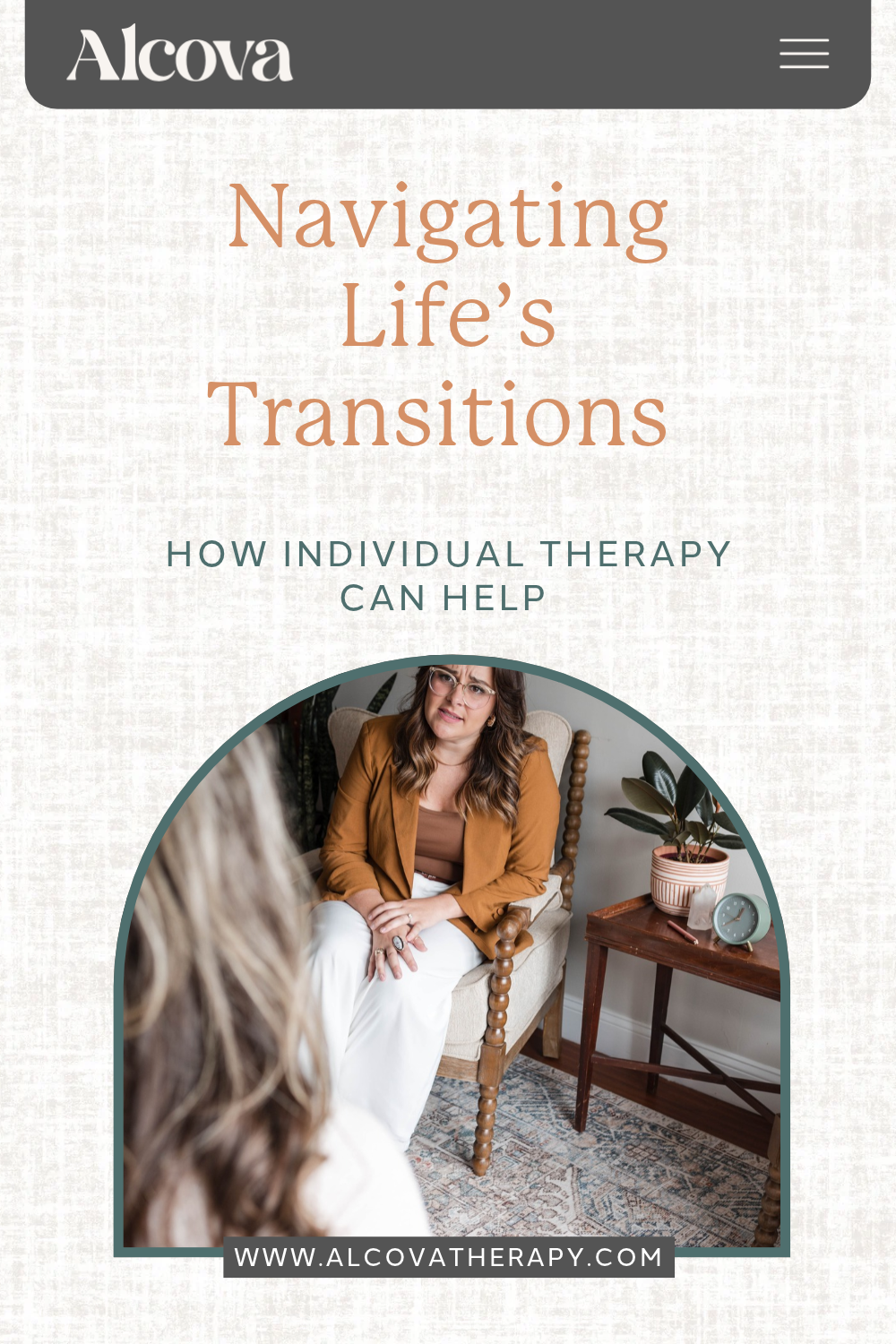
Navigating Life’s Transitions: How Individual Therapy Can Help
Life transitions can bring unexpected emotions, uncertainty, and questions about who we are and where we are headed. Whether navigating a career change, becoming a parent, moving, or experiencing loss, individual therapy provides a supportive space to process change, reconnect with your values, and build confidence in what comes next. Discover how therapy can help you move through life's transitions with greater clarity, resilience, and self-understanding.
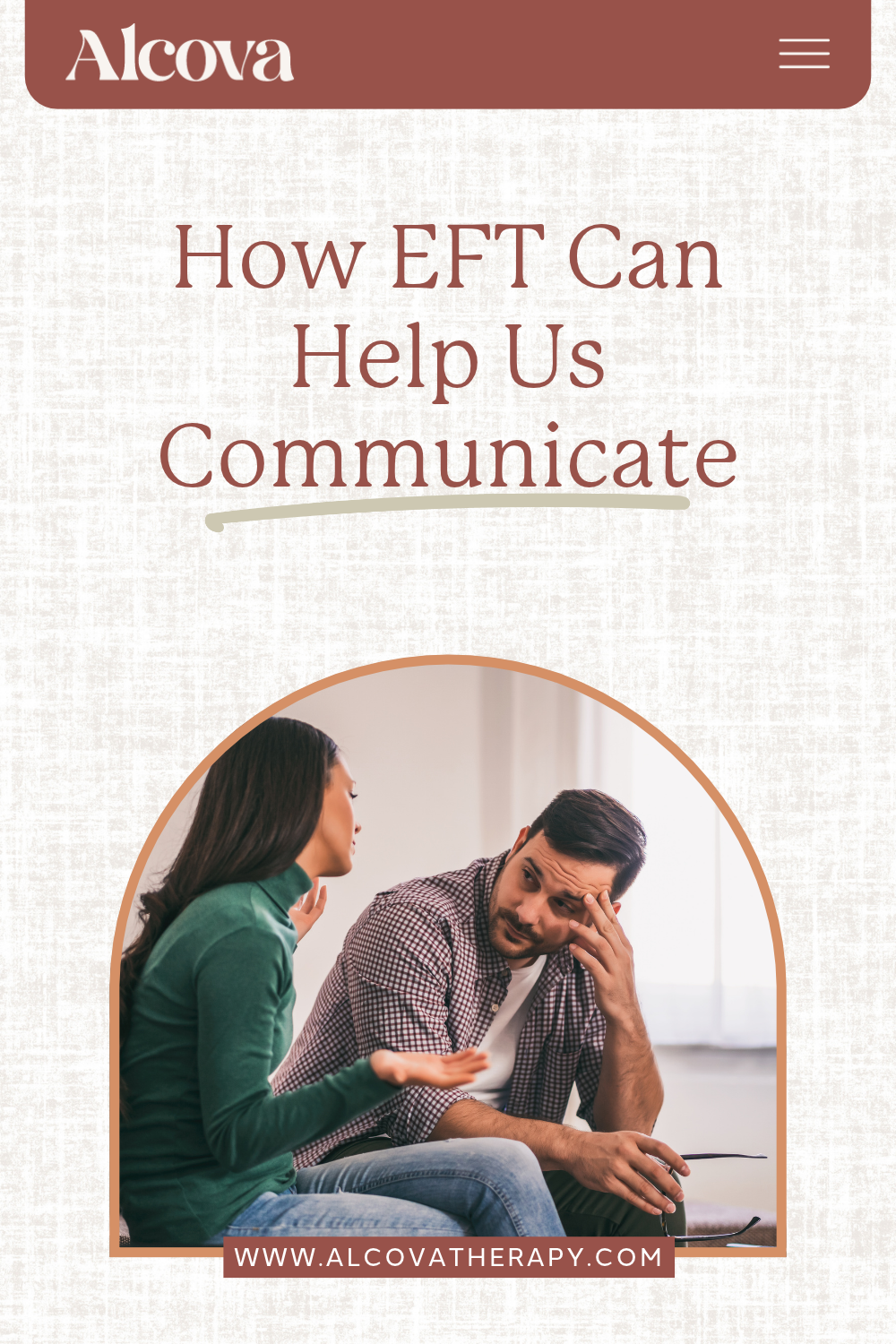
How EFT Can Help Us Communicate
When the same arguments keep happening and conversations leave you feeling unheard or disconnected, it may be time to look beyond the words being exchanged. Couples counseling can help partners recognize unhealthy communication patterns, understand the emotions beneath conflict, and rebuild connection through greater empathy, trust, and understanding. Learn how therapy can help you move from recurring conflict toward a healthier, more secure relationship.

How ACT Can Help My Anxiety
Anxiety doesn’t have to control your life. Acceptance and Commitment Therapy (ACT) offers a different approach to managing anxiety—not by eliminating uncomfortable thoughts and feelings, but by changing your relationship with them. Learn how ACT builds psychological flexibility, helps you break free from avoidance, and empowers you to live in alignment with your values, even when anxiety shows up.

What is Emotionally Focused Therapy for Couples?
Emotionally Focused Couples Therapy
When couples find themselves caught in the same painful arguments or growing emotional distance, the deeper issue is often a longing for connection, safety, and reassurance. Emotionally Focused Therapy (EFT) helps couples understand the patterns keeping them stuck, move beyond blame, and build a more secure, connected relationship. At Alcova Therapy, we believe meaningful change begins when partners can see the cycle—not each other—as the problem and learn to find their way back to one another.

Why Therapists Leave You in Silence
Silence in therapy can feel awkward—but it’s often where the real healing begins. In this post, we explore why moments of quiet are a powerful tool for growth, and how a little discomfort can open the door to deeper emotional truth. It’s a behind-the-scenes look at what your therapist is holding for you, even when they’re not saying a word.

Looking for a Couples Therapist in Charleston? Here’s What To Look For.
If you want to get me on a soapbox, ask me about finding a good couples therapist. There are few things I feel as passionate about professionally as the importance of finding a couples therapist with training in a solid, research-supported model. Now, I also think this is important for individual therapy, but I think it is ESPECIALLY important for couples.

Social Media Abstinence VS. Social Media Curation
As I write this, I’m 7 months pregnant. It’s my second pregnancy and it’s been more physically challenging than the first. As a result, I’m not as active as I imagined I’d be. Chasing my 3-year-old around has proved to be my physical limit most days. When I share this with friends and family, they are incredibly supportive. My mom tribe tells me “just take care of yourself, you’re doing great.” My husband tells me, “let me help, it’s OK.” And I feel…OK. Even accepting of this season. And then…I go on Instagram.

Mindfulness and A Richer Life
Mindfulness is a cornerstone of my practice. As a therapist there are few things I’ve found that work as well and as quickly for as many people as learning to be more mindful. It’s like the mental version of exercise – it’s good for pretty much everyone and helps with pretty much everything. There are so many benefits of mindfulness and I can get really excited about them…ask my clients.

It’s ALL About Attachment – A Couples Therapist Breaks Down TV Time
Here’s something I hear from couples often: “It just feels like we’re going through the motions, at the end of every night we sit on the couch in the same places and watch TV. It’s just dull.”
On the surface, this seems like a behavioral problem…we just need to change the behavior and get them doing something else, right? Maybe a walk instead? WRONG. Because guess what, I bet they used to watch TV together at the start of their relationship and it felt good and connecting versus mundane and meaningless. And, I bet if I suggested they took a walk they’d come back saying ‘yeah it was a little better but not much different.” Why?
Because…ATTACHMENT.